Prevent Weight Gain With High Protein Diet.

Inspirational high protein meals arranged on a Pinterest board.
Have you ever felt like the scale keeps creeping up, no matter what you do? Many people struggle with weight gain, often turning to restrictive diets. A high-protein diet offers a nourishing way to feel full and satisfied, potentially helping maintain or lose weight. This post will explore how a high-protein diet can help prevent weight gain.
How Protein Supports Weight Loss.
Protein is essential for weight management because it increases satiety, keeping you feeling full for longer. This reduces overall food intake and aids portion control. Protein influences appetite-regulating hormones like ghrelin and GLP-1.
High-protein diets have a higher thermogenic effect than diets high in carbs or fats. Your body burns more calories digesting protein, which contributes to calorie expenditure and helps support healthy weight loss or maintenance.
The Science of Satiety and Thermogenesis
Satiety, the feeling of fullness, is regulated by hormones like ghrelin, GLP-1, and peptide YY (PYY). Ghrelin signals hunger, while GLP-1 and PYY signal fullness.
Protein suppresses ghrelin and stimulates PYY, promoting satiety. Thermogenesis is the energy expenditure during food digestion. Protein has a higher thermogenic effect than other macronutrients, increasing calorie burn.
Prevent Weight Gain With a High-Protein Diet: Practical Tips
A high-protein approach can be incorporated through practical adjustments to your dietary habits.
Start by examining your eating habits to identify how you want to begin working more protein in. Make a conscious effort to eat protein sources and make substitutions such as reducing simple carbs to prevent weight gain.
Meal Planning and Smart Swaps for High Protein
Include a protein source with every meal to maintain satiety throughout the day. Choose whole food protein sources over processed foods.
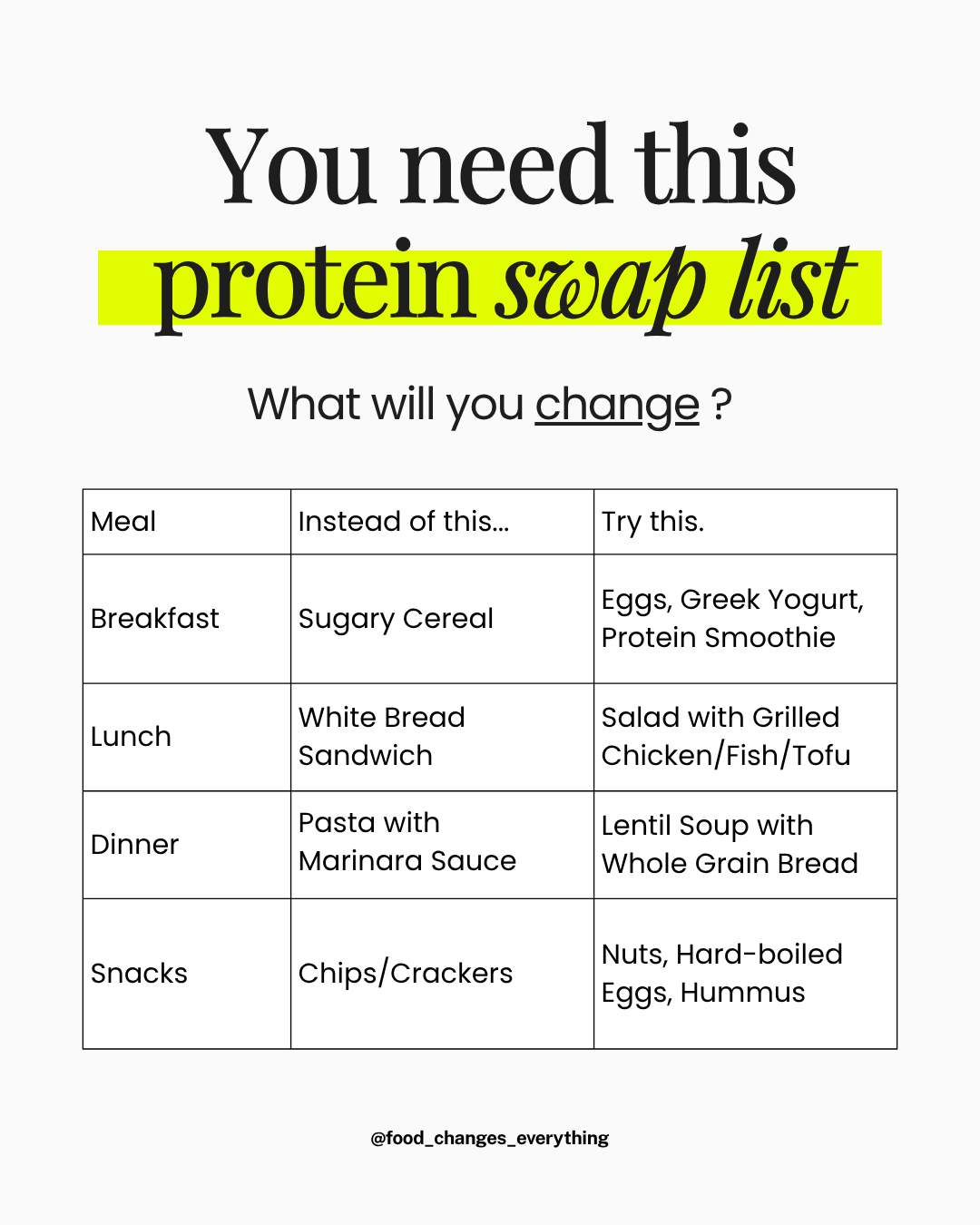
For breakfast, trade sugary cereal for protein-packed alternatives like Greek yogurt, eggs, or protein smoothies. Add nuts, hard-boiled eggs, or jerky for high-protein snacks.
At lunch and dinner, meats, fish, beans, lentils, or tofu. Eating protein throughout the day can make you feel less hungry later in the day. Make simple swaps like choosing Greek yogurt over regular yogurt and pair your fruits with nuts or cheese.
Here is a practical high-protein swap list..
Need more tips around protein?
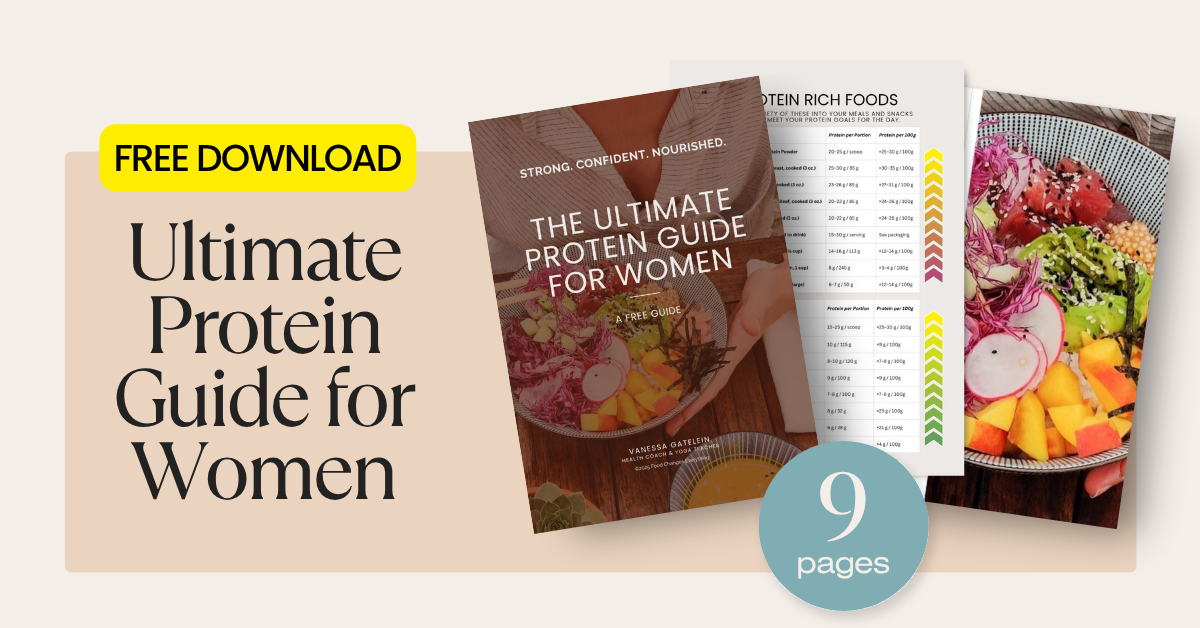
Download my free protein guide for women (after signing up for my newsletter.) You’ll get a chart with protein grams and two days of meal ideas.
Dealing with Common High-Protein Diet Concerns
Let’s debunk some common misconceptions about high-protein diets. A common concern revolves around kidney health, though it mainly affects individuals with pre-existing kidney issues.
Kidney Health and Protein Intake
Some fear high-protein diets strain the kidneys, hindering efforts to prevent weight gain. Research suggests high protein intake doesn't harm kidney function in healthy individuals. Staying hydrated supports optimal kidney function, no matter the chosen diet. Ensuring enough water intake is important when managing weight through changes in eating and activity level. Drink 1-2 liters of water spread out throughout the day.
Another concern is protein variety. A high-protein diet includes more than just meat. Fish, tofu, beans, and lentils provide ample protein and variety.
How Much Protein? Finding Your Balance
Individual protein needs depend on factors like weight, age, activity level, and overall health.
For women aged 40+, who are nearing perimenopause, I like to suggest 15-30g protein per meal. Aiming to eat at least 60-100g of protein per day. This, in my opinion, increases the feeling of satiety and satisfaction. Cravings go down and blood sugar starts to balance.
FAQs about a High-Protein Diet to prevent weight gain.
How do you not gain weight with protein?
Protein increases satiety, keeping you full longer and preventing overeating. It also boosts metabolism through thermogenesis, burning more calories during digestion than carbohydrates or fats.
Why am I gaining weight on a high-protein diet?
Weight gain, even on a high-protein diet, has multiple causes. You might be consuming excess calories, even with protein. Focus on nutrient-dense sources without added sugars or unhealthy fats. Consider getting your thyroid checked, and be mindful of underlying health issues or life changes, such as nearing menopause or beginning to take certain birth control, which might affect weight. Also weight can be influenced by stress, where the body holds onto weight.
Is it hard to lose weight on a high-protein diet?
Weight loss needs more than focusing on diet. Lifestyle plays a huge role in weight loss. A high-protein diet may reduce cravings and control appetite, but if you are stressed out, you may still hold onto excess weight.
Regular exercise, even simply brisk walking or climbing stairs, are great habits to maintain when seeking long term and permanent weight management solutions.
Conclusion
A high-protein diet can effectively prevent weight gain by leveraging satiety and the thermic effect of food. Choose protein sources wisely, manage portions, and prioritize nutrient density for a sustainable approach to weight management.
Every person is different and your needs may vary, so it is important to keep track of what you’re eating and how it impacts your energy levels, sleep and digestion.
Curious to learn more? Meet me for a free consultation, workshop, or join a yoga class.
